


Confidence on Omaha, NE Roads: Choosing the 2026 Hyundai Tucson or 2026 Nissan Rogue Driver-Assist Tech
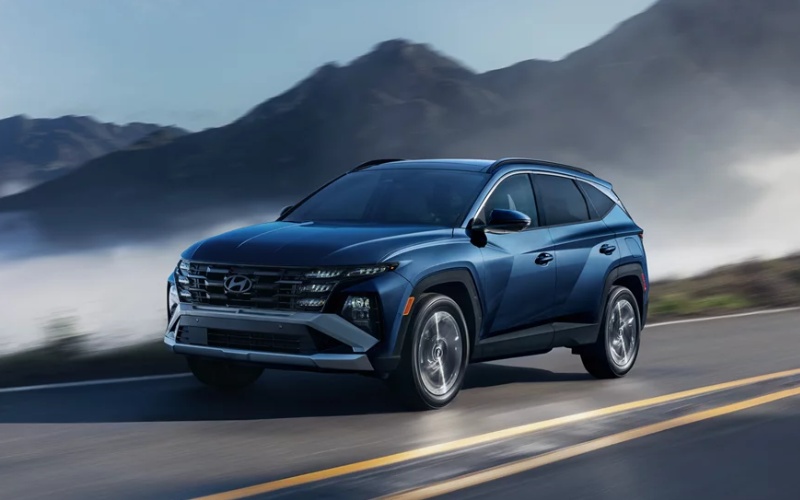
Vern Eide Hyundai Sioux City – Confidence on Omaha, NE Roads: Choosing the 2026 Hyundai Tucson or 2026 Nissan Rogue Driver-Assist Tech
When drivers compare the 2026 Hyundai Tucson and the 2026 Nissan Rogue, one of the first questions that comes up is simple: which SUV gives you more help, more often, without getting in the way? Driver-assistance tech can reduce fatigue on I-80, add peace of mind during school drop-off lines, and keep you more aware in dense traffic. This blog unpacks the advanced systems each model brings to your drive and explains where Tucson’s suite delivers daily value.
Hyundai SmartSense bundles core features on every Tucson: Forward Collision-Avoidance Assist with Pedestrian/Cyclist/Junction Turning Detection, Driver Attention Warning, Lane Keeping Assist, Lane Following Assist, and High Beam Assist. Many trims add Smart Cruise Control with Stop & Go, while upper trims elevate to Smart Cruise Control 2, Highway Driving Assist, and Navigation-based Smart Cruise Control with Curve Control. These layers matter in the real world. N-SCC can automatically reduce speed when approaching tighter curves or reduced limits and then return to your set speed, while HDA helps keep a steady following distance and assists with lane centering to take strain out of long freeway stretches. Available Blind-Spot View Monitor projects a real-time camera feed into the instrument cluster when you signal, and the available Surround View Monitor can stitch a 360-degree image for confident parking in tight garages.
Nissan’s Safety Shield 360 is a strong standard package on Rogue, with Automatic Emergency Braking with Pedestrian Detection, Blind Spot Warning, Rear Cross Traffic Alert, Rear Automatic Braking, Lane Departure Warning, and High Beam Assist. Step up the trims, and you can add ProPILOT Assist for hands-on highway support and an available 3D Enhanced Intelligent Around View Monitor with Invisible Hood View that’s uniquely helpful in low-speed maneuvering and over curbs. It’s a thoughtful tech story with genuine merit. But when you look closely at the depth of assistance and how often it’s present across the lineup, Tucson simply brings more to the table on more trims, and its navigation-linked features are especially useful for everyday, real-world driving.
Why does this matter on your commute or family trips around Omaha, NE? Because the assist systems you use most are the ones that are easy to trust. Tucson’s smooth calibration keeps steering support natural, so it feels like a safety net rather than a backseat driver. The camera-based Blind-Spot View Monitor is particularly helpful in multi-lane merges where a quick glance at the cluster confirms what your mirror suggests. And on weekend errands, the available Remote Smart Parking Assist can back the Tucson into a space or pull it out while you stand curbside, a clear advantage when downtown lots are packed.
Both SUVs are competent on interstates and side streets. Rogue’s ProPILOT Assist works well in stop-and-go, and its around-view system with Invisible Hood View gives you confidence near obstacles. Tucson’s edge grows with Navigation-based Smart Cruise Control that can proactively slow for curves and variable speed zones, reducing those last-second brake taps and smoothing out your drive. Its Advanced Rear Occupant Alert with interior sensors adds a thoughtful layer of protection as well.
Want a simple way to size them up? Use this quick framework during your test drives:
- Highway ease: Engage each model’s adaptive cruise and lane tech. Which feels steadier, smoother, and less intrusive?
- Blind-spot clarity: Compare mirror-only alerts to camera-based views. Which boosts your confidence more quickly?
- Parking help: Try parallel and tight-lot scenarios. Which SUV gives you more usable visibility or automated help?
Beyond assistance tech, Tucson layers in daily conveniences that play well with modern routines. The hands-free, gesture-free smart power liftgate can open automatically when your key is nearby—no foot-waving needed—and Bluelink+ connected services enable remote start, lock/unlock, and vehicle status checks from your phone. On select trims, a panoramic curved display unites the 12.3-inch touchscreen with a 12.3-inch digital cluster. Pair that with wireless device charging and standard wireless smartphone integration and the cockpit is tidy, connected, and welcoming.
Rogue counters with an available 12.3-inch touchscreen and digital dashboard, available Bose audio, and the convenience of Google built-in on select trims. Its Motion Activated Liftgate is helpful, and the Divide-N-Hide cargo system is handy for organizing strollers, groceries, and gear. It’s a thoughtful interior, especially in Platinum trim with semi-aniline leather and heated outboard rear seats.
So which SUV answers the driver-assistance question best? If you want broader availability of advanced aids—including navigation-linked cruise control with curve logic—plus camera-based blind-spot visibility, available 360-degree parking views, and even available Remote Smart Parking Assist, Tucson takes the lead. Rogue’s package is good, but Tucson’s integration and feature depth make more of your everyday driving feel automatic, predictable, and less tiring.
If you’re planning to compare both on the same day, set up two similar routes: a portion of I-80 for highway support features, a few urban blocks for low-speed camera and parking aids, and a suburban loop with roundabouts and lane merges. You’ll quickly feel how each SUV’s systems step in, and how seamlessly they let you step back out.
For shoppers who want a clear next step, Vern Eide Hyundai Sioux City can arrange back-to-back drives and walk you through feature demos so you can focus on what matters to your routine. We’re proudly serving Omaha, NE, and Council Bluffs and Des Moines, IA, with knowledgeable guidance and a relaxed, helpful approach.
Frequently Asked Questions:
Do both SUVs include lane-centering on the highway?
Both offer lane support. Tucson adds Highway Driving Assist on select trims to assist with lane centering and speed/distance control, while Rogue offers ProPILOT Assist for hands-on support on equipped models.
Which model provides a camera view for blind spots?
Tucson offers an available Blind-Spot View Monitor that shows a live video feed in the instrument cluster when you signal, adding visual confirmation beyond mirror alerts. Rogue provides Blind Spot Warning and Intelligent Blind Spot Intervention, but does not show a camera feed in the cluster.
Can either SUV help with tight parking spaces?
Yes. Tucson offers a Surround View Monitor on select trims and available Remote Smart Parking Assist that can maneuver the vehicle while you stand outside. Rogue counters with an available 3D Enhanced Intelligent Around View Monitor with Invisible Hood View for enhanced visibility at low speeds.
0 comment(s) so far on Confidence on Omaha, NE Roads: Choosing the 2026 Hyundai Tucson or 2026 Nissan Rogue Driver-Assist Tech