


Which compact sedan has the smarter driver-assistance tech for I-80 commutes near Omaha, NE: 2026 Hyundai Elantra or 2026 Mazda Mazda3 Sedan?
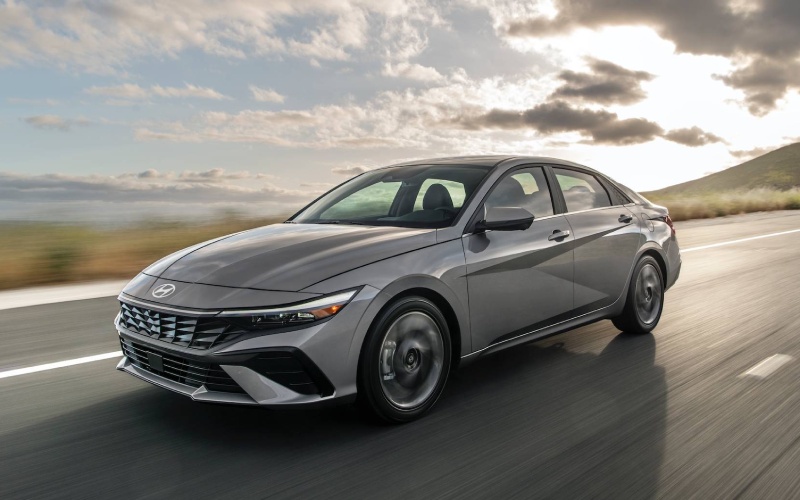
Vern Eide Hyundai Sioux City – Which compact sedan has the smarter driver-assistance tech for I-80 commutes near Omaha, NE: 2026 Hyundai Elantra or 2026 Mazda Mazda3 Sedan?
When a daily drive includes long stretches of I-80 plus crowded interchanges, driver-assistance technology can be the deciding factor. Shoppers often ask: between the 2026 Hyundai Elantra and the 2026 Mazda Mazda3 Sedan, which compact sedan better supports confident highway commuting? Here’s a clear, commuter-focused look at the systems that matter most, from lane centering to rear cross-traffic protection and the way each car’s cabin tech reduces day-to-day friction.
Hyundai SmartSense sets a high bar with standard features including Forward Collision-Avoidance Assist with Pedestrian Detection, Lane Keeping Assist, Lane Following Assist, Blind-Spot Collision Warning, and Rear Cross-Traffic Collision-Avoidance Assist that can automatically apply brakes in reverse. On Limited, Highway Driving Assist helps maintain a set distance and speed and assists with lane centering, even through gentle curves, while Smart Cruise Control with Stop & Go is available to smooth stop-and-go situations. The Mazda3 brings a comprehensive suite of its own, including Mazda Radar Cruise Control with Stop & Go, Lane-keep Assist, Blind Spot Monitoring with Rear Cross Traffic Alert, and Smart Brake Support – Forward. Those are meaningful tools; however, the Elantra’s combination of rear cross-traffic auto-braking and the availability of Highway Driving Assist makes a difference in dynamic traffic and tight parking lots.
Equally important on long commutes is how naturally tech integrates into your routine. Elantra includes wireless Android Auto™ and Apple CarPlay® as standard equipment on its 8-inch display, eliminating cord clutter and making app access almost instant. For drivers who live inside navigation and podcast apps, the available dual 10.25-inch displays (a high-res touchscreen with navigation and a fully digital instrument cluster) deliver a cohesive, glanceable view that keeps your focus where it should be—on the drive. Mazda3 offers wireless smartphone integration as well, so it checks a key connectivity box; its interface emphasizes simplicity, while Elantra leans into a more expansive, configurable presentation.
When it comes to commuter comfort, extra space is a daily luxury. Elantra provides 99.4 cu ft of passenger volume and 14.2 cu ft of trunk capacity, plus adult-friendly rear legroom, which helps if you routinely carpool. Available heated front seats, H-Tex® trimmed seating surfaces, and wireless device charging keep the cabin calm and clutter-free. Mazda3’s cockpit design is sleek and driver-centric with excellent materials; those who prioritize a cozier, sportier feel may find that appealing. But if you want rear passengers to arrive just as relaxed as the driver, the Elantra’s interior packaging has the edge.
Performance preferences differ, and both cars satisfy. The Elantra’s Smartstream® 2.0L four-cylinder paired to an Intelligent Variable Transmission emphasizes smooth, efficient cruising. If you want a more energetic feel for on-ramps and quick merges, the N Line’s 201-hp 1.6L Turbo GDI paired to a 7-speed Dual-Clutch Transmission (with paddle shifters) offers crisp, confident responses. Mazda3’s standard SKYACTIV®-G 2.5L delivers solid everyday power through a 6-speed automatic, and select trims offer i-ACTIV AWD® to add traction in inclement weather. For most commuters, the Elantra’s available Highway Driving Assist, rear cross-traffic auto-braking, and flexible powertrain lineup make it a compelling fit for the highway grind.
Beyond the daily drive, ownership experience matters. Hyundai Digital Key 2 Touch lets you use a compatible smartphone as your key and even share access—handy for a partner or teen driver. Bluelink+ connected features let you lock/unlock and more from your phone, with no monthly fees for original owners and lessees on eligible vehicles. Mazda Connected Services is a strong package too, offering a suite of remote features typically with a trial period. For drivers planning to keep a sedan long-term, Hyundai’s America’s Best Warranty—with 10-Year/100,000-Mile Powertrain Limited Warranty—adds confidence on the horizon.
If your top priority is reducing fatigue and increasing confidence on busy freeways around the metro, the Elantra’s driver-assistance mix and easygoing interior technology create a notably low-stress commute. For those who want a more athletic chassis feel with available AWD traction, the Mazda3 remains a high-quality alternative. Either way, test-driving both on the same route will quickly reveal which sedan speaks your language.
- Highway centering and adaptive support: Elantra’s available Highway Driving Assist and Smart Cruise Control with Stop & Go work together to ease I-80 traffic; Mazda3’s Mazda Radar Cruise Control with Stop & Go and Lane-keep Assist are effective, but lane centering support is where Elantra stands out.
- Rear cross-traffic confidence: Elantra’s Rear Cross-Traffic Collision-Avoidance Assist can automatically brake while reversing; Mazda3 provides Rear Cross Traffic Alert, which warns but does not apply the brakes.
- Everyday tech convenience: Both offer wireless Android Auto™ and Apple CarPlay®; Elantra’s available dual 10.25-inch displays and Hyundai Digital Key 2 Touch streamline the routine even more.
Vern Eide Hyundai Sioux City is proud to help commuters compare these two capable sedans head-to-head. Our team is serving Omaha, NE, and Council Bluffs and Des Moines, IA, with friendly expertise and an emphasis on matching features to real-world needs—so your next compact sedan makes every mile feel easier.
Frequently Asked Questions:
Do both sedans offer wireless Android Auto™ and Apple CarPlay®?
Yes. Elantra includes wireless smartphone integration as standard equipment on its 8-inch display; Mazda3 also offers wireless Android Auto™ and Apple CarPlay® integration.
Which sedan provides lane centering on the highway?
Elantra Limited offers Highway Driving Assist, which can help center the vehicle in its lane and maintain distance and speed. Mazda3 provides Mazda Radar Cruise Control with Stop & Go and Lane-keep Assist, which assist steering but do not provide the same branded lane-centering feature noted on Elantra.
How do the rear cross-traffic systems differ?
Elantra’s Rear Cross-Traffic Collision-Avoidance Assist can automatically apply brakes if it detects a vehicle approaching while you’re reversing; Mazda3’s Rear Cross Traffic Alert warns the driver but does not automatically brake.
What about long-term peace of mind?
Elantra backs its powertrain with a 10-Year/100,000-Mile Powertrain Limited Warranty, part of America’s Best Warranty. Mazda’s warranty coverage is competitive, but it does not match Hyundai’s powertrain warranty.
0 comment(s) so far on Which compact sedan has the smarter driver-assistance tech for I-80 commutes near Omaha, NE: 2026 Hyundai Elantra or 2026 Mazda Mazda3 Sedan?