


Which compact SUV has the smarter driver-assistance for I-29 commuting around Omaha, NE: the 2026 Hyundai TUCSON or Toyota RAV4?
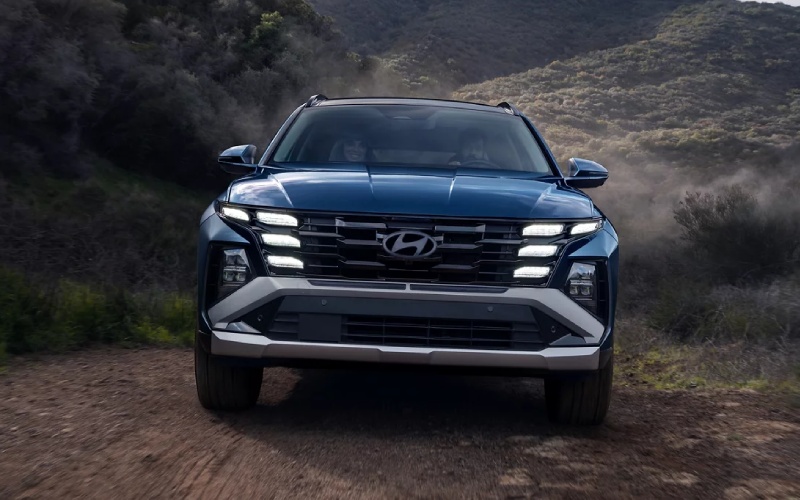
Vern Eide Hyundai Sioux City – Which compact SUV has the smarter driver-assistance for I-29 commuting around Omaha, NE: the 2026 Hyundai TUCSON or Toyota RAV4?
When shoppers compare the 2026 Hyundai TUCSON and the 2026 Toyota RAV4, one question rises to the top: which compact SUV delivers the smarter, less-stress commute day in and day out? Driver-assistance and connectivity are no longer nice-to-haves; for many Omaha-area drivers who split their time between city streets, I-29, and weekend trips, these features are how you stay focused, cut down fatigue, and keep everyone safer. In this blog, we unpack how each SUV approaches the modern cockpit—what you see, what you feel, and how seamlessly the systems work in the background—so you can decide which tech package truly fits your life.
Both models bring robust safety suites. Toyota Safety Sense™ 4.0 evolves the RAV4’s capabilities with features like Lane Tracing Assist, Road Sign Assist, and Proactive Driving Assist. Available Traffic Jam Assist and Advanced Park add a layer of convenience in slower-speed environments and tight garages. Hyundai SmartSense counters with a complementary set of features and some distinct advantages, especially for highway-heavy routines: Highway Driving Assist to help reduce steering workload on controlled-access roads, Navigation-based Smart Cruise Control for more natural speed management through curves and interchanges, and available Blind-Spot View Monitor that places a live camera feed in the instrument cluster when you signal. It’s that last piece—seeing, not just sensing—many drivers say changes their confidence when navigating crowded interchanges or merging onto fast-moving traffic.
Highway confidence: why the details matter
If your daily drive runs from neighborhoods onto I-29, merges onto I-80, or hops between surface streets and freeways, the way driver-assistance behaves at speed is key. Highway Driving Assist in the TUCSON blends adaptive cruise and lane centering to reduce micro-corrections and keeps the vehicle predictably positioned. The RAV4’s lane centering and adaptive cruise perform well too, yet the TUCSON integrates mapping information for smoother curve management on select routes. Over the course of a week’s commuting, those small differences translate to less fatigue.
Visibility is the other half of the equation. Radar and ultrasonic sensors can detect what you can’t see, but actually viewing traffic in your blind spot through a Blind-Spot View Monitor delivers an extra layer of certainty. In dense traffic near downtown Omaha or when making quick lane changes on I-29, that live camera feed can be the difference between hesitating and making a clean, confident move.
Parking, maneuvering, and city driving
The RAV4’s available Advanced Park can help you into tight parallel or perpendicular spaces with the push of a button. That’s a win in tight urban blocks or crowded event parking. The TUCSON focuses on giving you a 360-degree perspective with an available Surround View Monitor that stitches camera images into a bird’s-eye view—handy for threading between curbs, poles, and angled spaces at popular shopping centers. Both approaches ease parking anxiety; your preference may come down to whether you want the vehicle to perform steering inputs for you, or to maintain control with an extra-wide field of view.
Connectivity is equally important in both SUVs. Seamless smartphone integration, an intuitive voice assistant, and reliable cloud-based navigation help you react to detours and closures. Toyota’s available 12.9-inch Toyota Audio Multimedia display is crisp and responsive, and Hyundai’s dual-screen approach balances glanceable info with customizable layouts. Practically, that means fewer taps and less menu diving—more time looking out the windshield.
Which one suits mixed urban and highway driving best?
For drivers who split time between residential streets, interchanges, and stretches of I-29, the TUCSON’s Highway Driving Assist, Navigation-based Smart Cruise Control, and camera-augmented visibility tools give it an edge in daily ease. The RAV4’s technology story is compelling too, especially with Toyota Safety Sense™ 4.0’s upgrades and available parking assistance. But if your goal is to reduce cognitive load on longer freeway runs and make merging or lane changes more intuitive, the TUCSON’s approach to driver support may align better with your routine.
- Highway workload: Highway Driving Assist and navigation-aware cruise control in the TUCSON aim to smooth out speed and steering inputs on controlled-access roads.
- Blind-spot certainty: A live camera view in the cluster when signaling can help confirm what sensors detect and mirrors suggest.
- Parking perspective: A 360-degree Surround View Monitor builds confidence when maneuvering in tight city spots.
Ownership experience is also part of the tech conversation. Hyundai’s Bluelink® connected services for the original owner and complimentary maintenance help keep systems current and the vehicle feeling fresh without extra steps. Toyota offers robust connected features through subscriptions and trials; it’s a strong ecosystem, but the long-term cost and coverage picture can differ. Over time, those differences influence how consistently you use the tech you rely on most.
Frequently Asked Questions:
Does the TUCSON’s Highway Driving Assist work on all roads?
Highway Driving Assist is designed for controlled-access highways and works best with clear lane markings and appropriate conditions; you must remain attentive and keep your hands on the wheel.
Can I get a 360-degree camera on both SUVs?
The TUCSON offers an available Surround View Monitor that provides a bird’s-eye perspective; the RAV4 offers technologies that assist with parking and visibility, with availability varying by trim and equipment.
How do the blind-spot systems differ?
Both provide blind-spot alerts, but the TUCSON can add a camera-based Blind-Spot View Monitor that shows a live feed in the cluster when you use the turn signal.
Still comparing? Our team is here to help you test the systems side by side, explain features in plain language, and set up your preferred driver-assistance settings before you leave the lot. That way, your first drive home feels familiar, not like homework. Vern Eide Hyundai Sioux City is proudly serving Omaha, NE, and Council Bluffs and Des Moines, IA, with guidance that focuses on fit, not jargon—so you get the SUV that truly supports the way you live and drive.
0 comment(s) so far on Which compact SUV has the smarter driver-assistance for I-29 commuting around Omaha, NE: the 2026 Hyundai TUCSON or Toyota RAV4?